

Blog
Encouragement and insights for the journey ahead.
By Emily Miller
M.A. (Marriage & Family Therapy), LAC
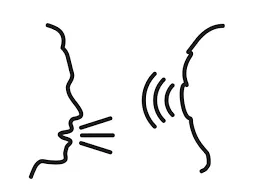
Speaker-Listener Technique
“You’re Not Listening!”
How to Truly Hear (and Be Heard) in Your Relationship.
A Gottman-Inspired Guide to the Speaker-Listener Technique.
We’ve all been there.
One person is talking passionately, emotionally, maybe even tearfully, and the other?
Well, they’re either defending themselves, waiting for their turn to talk, or glazing over like a deer in headlights.
And suddenly, the original issue is buried beneath a landslide of misunderstandings, frustration, and “You never listen to me!”
Sound familiar?
That’s where the Speaker-Listener Technique from the Gottman Method comes in, and it can be a game-changer for communication.
Listening vs. Responding: Why Most Conversations Go Sideways
Most of us think we’re listening…
But really, we’re:
Formulating our response
Defending our intentions
Jumping to solutions
Or feeling attacked and shutting down
Here’s the thing: hearing isn’t the same as understanding.
And in relationships, what people crave isn’t just agreement, it’s attunement.
That feeling of “you get me.”
That’s where the Speaker–Listener Technique shines.
The Gottman Speaker–Listener Technique, Simplified
This technique helps couples slow down conflict and deepen connection by taking turns in two roles:
The Speaker
The Speaker shares how they feel about a specific issue using gentle “I” statements. No blaming, no accusations, no spiraling into ten other problems.
“I feel overwhelmed when the dishes pile up because it makes me feel like I’m doing everything alone.”
Stay focused. Keep it calm. Speak to be understood, not to score points.
The Listener
The Listener’s job isn’t to fix or debate. It’s to really listen.
They:
Reflect back what they heard
Validate the speaker’s emotions
Check for accuracy
“So you feel overwhelmed and unsupported when the house gets messy. Is that what you’re saying?”
“That makes sense. I can see how that would feel stressful.”
No defending. No interrupting. Just space for empathy and clarity.
Then… switch roles.
Why This Works (Even If It Feels Awkward at First)
This tool slows conversations way down, and that’s a good thing.
Because real listening:
Calms the nervous system
Lowers defensiveness
Builds emotional trust
Helps both people feel safe again
When we feel seen and understood, we soften. And when we soften, connection becomes possible again.
Try It at Home: The “Stop, Speak, Listen” Plan
Next time a disagreement starts bubbling up:
Pause the argument: Agree to use the Speaker–Listener Technique.
One person speaks: Clearly, calmly, using “I feel” statements.
One person listens: Reflects, validates, checks.
Then switch: Each gets a turn. No problem-solving until both feel heard.
Sound simple? It is.
Easy to do under stress? Nope. But it gets easier with practice.
Real Talk: This Isn’t About Perfection
Sometimes you'll mess it up.
Sometimes one of you won’t be regulated enough to try it in the heat of the moment.
Sometimes you’ll both default to defense.
That’s okay.
The goal isn’t to be flawless, it’s to keep choosing each other, even when it’s hard.
With time, this technique helps build emotional safety. The kind that says:
“I care more about connection than being right.”
And that kind of love is how relationships last.
Takeaway: Being Heard Is Healing
In the Gottman research, one of the strongest predictors of relationship success isn’t how couples fight; it’s whether they feel emotionally connected afterward.
When we use tools like the Speaker–Listener Technique, we’re not just solving problems.
We’re building bridges.
We’re choosing to stay close.
We’re reminding each other:
“You matter to me, even in conflict.”
And that’s what real love sounds like.

Start Your Journey Today
Begin your journey towards a happier and more fulfilling life today.

At Exhale, we believe everyone has power to create the life they desire.
This is a supervised private practice. It is owned and managed by a master’s-level, non-independent licensee under Board-approved clinical supervision pursuant to A.A.C. R4-6-211. The Board approved clinical supervisor of this practice is:
Name: Rachel Sommerfield, LPC, MC, ADHD-CP
Phone: (520)509-5371
Email: [email protected]

© 2025 . All rights reserved.
Facebook
Instagram
TikTok