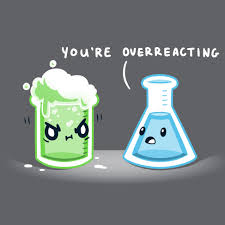
Overreacting Or Just Reacting
Overreacting… Or Just Reacting?
“Am I overreacting?”
It’s one of the most common questions people ask themselves… usually right after feeling something strongly. Maybe you got upset over a comment, anxious about a situation, or hurt by something that others seem to brush off.
And almost immediately, that second voice shows up:
“This is too much.”
“Why am I like this?”
“I shouldn’t feel this way.”
But what if the question isn’t as simple as it sounds?
Where “Overreacting” Comes From
Most of us didn’t just randomly start questioning our emotions. That idea usually comes from somewhere:
Being told you were “too sensitive” growing up
Having your feelings minimized or dismissed
Comparing your reactions to others
Trying to keep the peace by staying small
Over time, this creates a habit: feeling something → questioning it → invalidating it.
So instead of asking “What am I feeling?” we jump straight to “Is this allowed?”
Your Brain Reacts Before You Think
Emotions aren’t slow, logical decisions. They’re fast, automatic responses designed to protect you.
Your brain is constantly scanning for:
Safety vs. threat
Belonging vs. rejection
Control vs. uncertainty
When something hits one of those areas— even in a small way —your system reacts.
That reaction might look like:
Anxiety when plans change
Hurt when someone’s tone shifts
Anger when boundaries feel crossed
Overthinking after a conversation
It’s not random. It’s your brain connecting the present moment to past experiences, even if you’re not fully aware of it.
So… Are You Overreacting?
Sometimes reactions are bigger than the situation in front of you.
But that doesn’t mean they’re wrong.
It usually means:
Something about this moment reminds your brain of something important
Your nervous system is already a little overwhelmed
There’s an unmet need (like safety, reassurance, or clarity)
Your emotional “volume” is turned up right now
Instead of asking “Is this too much?” a more helpful question is:
“What is this reaction trying to tell me?”
The Difference Between Reaction and Response
Reactions are immediate.
Responses are intentional.
You can feel something strongly and choose what you do with it next.
That might look like:
Pausing before replying
Naming the feeling instead of acting on it
Taking space to calm your system
Coming back to the situation with more clarity
This isn’t about suppressing emotions. It’s about creating a little space between feeling and action.
When Self-Doubt Becomes the Real Problem
Constantly questioning your emotions can become more exhausting than the emotion itself.
When every feeling is met with:
“This is too much”
“I shouldn’t feel this way”
“Other people handle this better”
…it creates a disconnect from yourself.
You stop trusting your internal experience.
And that makes everything feel more confusing.
A More Helpful Reframe
Instead of:
“Am I overreacting?”
Try:
“What made this hit me the way it did?”
“What do I need right now?”
“Is there something underneath this feeling?”
“How do I want to respond, not just react?”
This shifts the focus from judgment to understanding.
You’re Allowed to Feel Things Fully
Emotions aren’t problems to solve, they're signals to understand.
Some will be big. Some will feel messy. Some won’t make sense right away.
That doesn’t make you dramatic.
It makes you human.
Final Thoughts
“Overreacting” isn’t always about the size of the emotion.
It’s often about how quickly we dismiss it.
Your feelings don’t need immediate correction, they need curiosity.
Because the more you understand your reactions,
the less they’ll feel like they’re controlling you.
